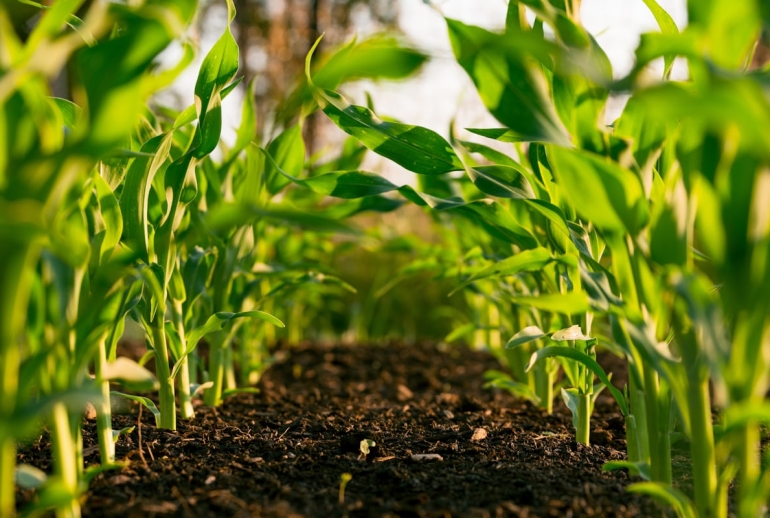
What is AI precision agriculture and why does Malaysia need it?
AI precision agriculture Malaysia uses computer vision, IoT sensors, and machine learning to optimise planting, irrigation, fertilisation, and harvesting at field or even tree level. Malaysia needs it because palm oil, paddy, durian, and vegetable farms face labour shortages, climate volatility, and EU sustainability rules that all reward smarter, data-driven cultivation. Dr. Muhamad Hariz Muhamad Adnan, an HRD Corp Certified AI Trainer at Universiti Pendidikan Sultan Idris (UPSI), supervises Malaysian postgraduate research on AI for agriculture and trains plantation managers on practical AI adoption.How is AI precision agriculture used in the Malaysian palm oil industry?
AI is used in the Malaysian palm oil industry for yield prediction, ripeness detection, pest and disease diagnosis, and traceability for EUDR compliance. Drones and satellite imagery feed deep learning models that flag stressed trees, while computer vision at mills grades fresh fruit bunches automatically against Malaysian Palm Oil Board (MPOB) grading standards, reducing dependence on manual graders.Key AI precision agriculture use cases in Malaysian palm oil
- FFB (Fresh Fruit Bunch) ripeness classification at the mill ramp
- Drone-based yield mapping at block and tree level
- Early Ganoderma and Basal Stem Rot detection from imagery
- Satellite monitoring for EUDR deforestation compliance
- Predictive maintenance for mill equipment
- Labour planning and harvest scheduling
How does AI help paddy and rice farming in Malaysia?
AI helps Malaysian paddy farming by forecasting yields from satellite NDVI, scheduling irrigation in MADA and KADA areas, detecting blast and BPH pest outbreaks, and supporting smallholders through extension chatbots in Bahasa Melayu. These applications are critical to Malaysia’s rice self-sufficiency targets and resilience under climate change.| Crop | Primary AI Use | Sensor Type | Typical Yield Impact |
|---|---|---|---|
| Palm oil | FFB grading and disease detection | Drone, satellite, smartphone | 5–12% revenue lift |
| Paddy | Irrigation and pest forecasting | Satellite, weather, in-field IoT | 8–15% yield lift |
| Durian | Bloom and harvest forecasting | Drone, in-orchard camera | 10–20% revenue lift |
| Vegetables | Greenhouse climate control | IoT sensors | 10–25% yield lift |
What hardware and software stack do Malaysian farms need?
A practical AI farm stack in Malaysia combines smartphones for image capture, drones for aerial surveys, IoT soil and weather sensors, a cloud or edge model platform, and a dashboard accessible to managers and field staff. Most smallholders start with a smartphone app, while estates layer in drones and IoT as ROI builds.- Capture: Smartphones, DJI drones, fixed cameras, IoT sensors
- Connect: 4G/5G, LoRaWAN, or satellite uplink for rural sites
- Model: Cloud APIs (AWS, Vertex, Azure) or on-edge inference
- Decide: Mobile dashboards and WhatsApp alerts in Bahasa Melayu
- Act: Sprayer drones, irrigation valves, and harvest crews
How does AI support EUDR and sustainability compliance?
AI supports EUDR compliance by combining satellite imagery, GPS plot mapping, and machine learning to prove that palm oil and rubber consignments are deforestation-free. Malaysian exporters use AI-driven traceability platforms to provide due-diligence statements demanded by EU buyers from 2025 onwards, protecting market access.What postgraduate research opportunities exist at UPSI?
UPSI offers Master and PhD supervision in AI for precision agriculture under Dr. Muhamad Hariz and colleagues at the Faculty of Computing and Meta-Technology. Open research themes include explainable AI for crop disease, federated learning across smallholders, multimodal models for durian quality, and AI-driven sustainability reporting for Malaysian estates.Sample AI precision agriculture research themes in Malaysia
- Explainable AI for early Ganoderma detection in oil palm
- Federated learning across Malaysian smallholder cooperatives
- Multimodal models combining drone, satellite, and weather data
- AI for durian bloom and harvest forecasting in Pahang and Penang
- Edge AI for low-connectivity Sabah and Sarawak farms
How much do Malaysian farms invest in AI?
Malaysian estates typically invest RM50,000 to RM500,000 in a first AI pilot covering hardware, software, and training, with payback in 12 to 24 months. Smallholders adopting smartphone-only AI services pay subscription fees of RM30 to RM200 monthly, often subsidised by FELCRA, RISDA, MPOB, or DOA programmes.Frequently Asked Questions
Is AI in agriculture relevant for small farmers in Malaysia?
Yes, AI is highly relevant for Malaysian smallholders through smartphone apps for disease diagnosis, weather forecasting, and market price intelligence. Programmes from FAMA, MPOB, and RISDA increasingly bundle AI tools with extension services, making AI affordable for farms below five hectares across Peninsular Malaysia, Sabah, and Sarawak.Does AI threaten farm jobs in Malaysia?
AI is unlikely to threaten total farm jobs in Malaysia because the sector already faces severe labour shortages. AI shifts work from repetitive sensing and inspection to higher-skilled roles in data interpretation, drone operation, and agronomy. Reskilling through HRD Corp claimable workshops helps the existing workforce transition smoothly.Can AI help Malaysia meet EUDR rules?
Yes, AI is central to helping Malaysia meet EUDR rules by combining satellite, GPS, and supply-chain data to demonstrate deforestation-free production. MPOB, MPOC, and large estates have invested heavily in AI-driven traceability platforms that protect access to EU markets for Malaysian palm oil and rubber.Is AI training for agriculture HRD Corp claimable?
Yes, AI training for the Malaysian agriculture sector is HRD Corp claimable when delivered by a certified trainer under an approved scheme. Dr. Muhamad Hariz at UPSI offers HRD Corp claimable workshops tailored for estates, cooperatives, and agribusiness teams, with Bahasa Melayu materials and real Malaysian case studies.How do I start an AI agriculture project in Malaysia?
Start an AI agriculture project in Malaysia by defining one yield, quality, or labour problem worth solving, then partner with UPSI or a specialist vendor for a small pilot. Visit drhariz.com for collaboration enquiries, or read more on the blog for case studies. Dr. Muhamad Hariz Muhamad Adnan is a Senior Lecturer and Acting Deputy Dean at Universiti Pendidikan Sultan Idris (UPSI), HRD Corp Certified AI Trainer, and digital transformation consultant. For AI training or postgraduate supervision enquiries, visit drhariz.com or read more on his blog.Bring this into your organisation
Dr Muhamad Hariz Bin Muhamad Adnan is a Doctor in Artificial Intelligence and Senior Lecturer at the Faculty of Computing and Meta-Technology, Universiti Pendidikan Sultan Idris (UPSI), and an HRD Corp-certified AI trainer in Malaysia. Teams that want to move from reading about this to applying it can explore corporate AI training in Malaysia, or engage an AI trainer in Malaysia directly. Contact Dr Hariz to scope a session.