Malaysia’s MY-AI Standards: A New Era of AI Governance
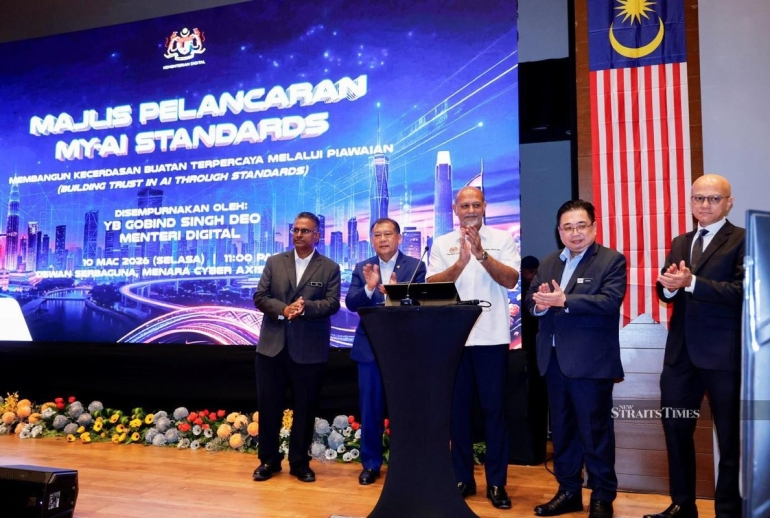
Malaysia launched the MY-AI Standards platform on 10 March 2026, signalling a decisive shift in how the nation approaches artificial intelligence governance. This is not merely a policy document filed away in a government archive. It is a functional digital platform that gives organisations across Malaysia direct access to more than 80 international AI standards from the International Organisation for Standardisation (ISO).
For professionals, educators, and business leaders navigating the AI landscape in Malaysia, this development has immediate practical implications. Understanding what the MY-AI Standards platform offers and how it fits into Malaysia’s broader AI strategy is essential for staying competitive and compliant in 2026 and beyond.
What Is the MY-AI Standards Platform?
The MY-AI Standards platform is a national digital infrastructure developed through a strategic collaboration between the National AI Office (NAIO), CyberSecurity Malaysia, and the Department of Standards Malaysia, with support from ISO. Digital Minister Gobind Singh Deo described it as a “trust infrastructure” rather than a simple information portal.
The platform serves as a one-stop centre for learning, collaboration, and support for implementing AI standards in Malaysia. It is designed to help stakeholders across the public sector, private industry, small and medium enterprises (SMEs), and academic institutions understand and implement international AI standards systematically and practically.
This initiative supports the Malaysia AI Action Plan 2026 to 2030, which focuses on three core areas: accelerating AI adoption in strategic sectors, developing national AI talent, and strengthening responsible technology governance.
Why AI Standards Matter for Malaysia
Artificial intelligence adoption in Malaysia has grown significantly. A nationwide study found that AI adoption grew 35% year-on-year, with approximately 2.4 million businesses now using AI in some form — equivalent to 27% of all businesses in the country. Among firms that have adopted AI, 65% report higher revenues with an average increase of 19%, while 72% cite significant productivity gains.
However, rapid adoption without governance creates risk. PwC’s 29th Global CEO Survey revealed that less than a quarter of CEOs in Malaysia (23%) report that AI has driven additional revenue over the past 12 months. The gap between experimentation and measurable financial impact highlights a maturity divide that structured standards can help bridge.
AI standards provide the framework organisations need to move from pilot projects to enterprise-wide deployment with confidence. They address critical concerns around safety, ethics, transparency, and reliability — the four principles underpinning the MY-AI Standards initiative.
The Three-Phase AI Standards Framework
The Malaysian government has outlined a phased approach to building a comprehensive AI standards framework. Digital Minister Gobind Singh Deo confirmed that clear progress is expected within the next 12 months, with the framework consisting of three key components:
Phase 1: Standards Development
The first phase focuses on developing AI standards through the involvement of industry experts who will establish sector-specific guidelines. Importantly, this phase does not require dedicated legislation, allowing for agile, practical implementation. Organisations can begin aligning their AI practices with international benchmarks immediately.
Phase 2: Regulation and Compliance
The second phase introduces regulatory measures and compliance requirements. This will provide clearer boundaries for AI deployment across industries, ensuring that organisations meet minimum standards for responsible AI use.
Phase 3: Legislation and Enforcement
The final phase involves legislative action and enforcement mechanisms. This progression from voluntary standards to enforceable regulations follows international best practices seen in the European Union’s AI Act and other global frameworks.
What This Means for Malaysian Professionals and Organisations
The implications of the MY-AI Standards platform extend across multiple sectors and professional roles:
For Corporate Leaders and Managers
Organisations that align with international AI standards early will be better positioned when regulation tightens. The 80+ ISO standards available through the platform cover areas including AI risk management, data governance, algorithmic transparency, and ethical AI deployment. Companies should begin auditing their current AI practices against these standards now.
For Educators and Academic Institutions
Academic institutions have a dual role: preparing students for an AI-driven workforce and conducting research that advances AI governance. The MY-AI Standards platform provides a structured framework for incorporating AI ethics and governance into curricula. At Universiti Pendidikan Sultan Idris (UPSI), for example, AI research programmes already integrate responsible AI practices into postgraduate supervision and training.
For SMEs
With approximately 900,000 SMEs forming the backbone of Malaysia’s business ecosystem, the platform’s accessibility is particularly valuable. SMEs often lack dedicated compliance teams, making a centralised, practical resource for AI standards essential. The government has also introduced additional tax deductions for MSMEs on AI and cybersecurity training expenses accredited by the MyMahir National AI Council for Industry (NAICI).
For AI Trainers and Consultants
The demand for HRD Corp claimable AI training programmes that incorporate governance and standards compliance is expected to rise significantly. Trainers who can bridge the gap between technical AI capability and standards compliance will be particularly valuable in this evolving landscape.
Malaysia’s Path to Becoming an AI Nation by 2030
The MY-AI Standards platform does not exist in isolation. It is part of a broader national strategy anchored by the Malaysia AI Action Plan 2026-2030 and the vision to become an AI Nation by 2030. Budget 2026 allocated RM470 billion in total public expenditure, with significant investment directed toward AI infrastructure, digital talent development, and the establishment of a Sovereign AI Cloud.
Key national initiatives supporting this vision include:
- National AI Office (NAIO): Seven specialised Working Groups uniting experts from technology, academia, industry, government, and civil society to drive Malaysia’s AI agenda.
- Sovereign AI Cloud: Investment in national cloud infrastructure to enhance data sovereignty and support AI deployment at scale.
- ASEAN AI Safety Network (ASEAN AI SAFE): A regional collaboration on safe and responsible AI, led by Malaysia through the Centre for the Fourth Industrial Revolution (MYCentre4IR).
- Digital Talent Development: Programmes through HRD Corp, TVET, and GiatMARA expanding AI skills across the workforce.
As Digital Minister Gobind Singh Deo stated: “Leadership in AI is not just about cutting-edge technology, but about building trust in the country’s digital ecosystem through strong governance and adherence to internationally recognised standards.”
The Skills Imperative: Bridging the Augmented Divide
The launch of MY-AI Standards comes at a time when the workforce implications of AI adoption are becoming increasingly apparent. The distinction between workers who can effectively use and direct AI systems and those who cannot is creating what industry leaders describe as an “augmented divide.”
In Malaysia, 52% of businesses identify skills shortages as a key constraint on AI adoption. This underscores the critical importance of AI training and upskilling programmes that go beyond technical skills to include AI governance, ethics, and standards compliance.
Professionals who understand both the technical capabilities of AI and the governance frameworks that guide its responsible use will be the most valuable assets in Malaysia’s AI-driven economy. This dual competency — technical AI proficiency combined with governance literacy — is the new standard for AI professionals in 2026.
Frequently Asked Questions
What is the MY-AI Standards platform?
The MY-AI Standards platform is a national digital platform launched by the Malaysian government on 10 March 2026. It provides centralised access to more than 80 international AI standards from ISO, serving as a one-stop centre for learning, collaboration, and implementation support for AI governance in Malaysia.
Who developed the MY-AI Standards platform?
The platform was developed through a strategic collaboration between the National AI Office (NAIO), CyberSecurity Malaysia, and the Department of Standards Malaysia, with support from the International Organisation for Standardisation (ISO).
How does the MY-AI Standards platform benefit Malaysian businesses?
Malaysian businesses can use the platform to understand and implement international AI standards, ensuring their AI practices align with global frameworks for safety, ethics, transparency, and reliability. Early alignment positions organisations favourably as regulation evolves from voluntary standards to enforceable requirements.
What is the Malaysia AI Action Plan 2026-2030?
The Malaysia AI Action Plan 2026-2030 is a strategic roadmap focused on accelerating AI adoption in strategic sectors, developing national AI talent, and strengthening responsible technology governance. It supports Malaysia’s ambition to become an AI Nation by 2030.
Is AI training in Malaysia claimable under HRD Corp?
Yes, AI training programmes registered with HRD Corp are claimable. Additionally, Budget 2026 introduced additional tax deductions for micro, small, and medium enterprises (MSMEs) on AI and cybersecurity training expenses accredited by the MyMahir National AI Council for Industry (NAICI).
How can professionals prepare for AI governance requirements in Malaysia?
Professionals should familiarise themselves with the MY-AI Standards platform, pursue AI training that covers both technical skills and governance frameworks, and stay updated on the phased rollout of Malaysia’s AI standards framework. Engaging with certified AI trainers who understand both the technology and the regulatory landscape is recommended.
Dr. Muhamad Hariz Muhamad Adnan is a Senior Lecturer and Acting Deputy Dean at Universiti Pendidikan Sultan Idris (UPSI), certified AI trainer, and digital transformation consultant. He specialises in AI in education, precision agriculture, and corporate AI training. For AI training enquiries, visit drhariz.com or contact Dr. Hariz.
Bring this into your organisation
Dr Muhamad Hariz Bin Muhamad Adnan is a Doctor in Artificial Intelligence and Senior Lecturer at the Faculty of Computing and Meta-Technology, Universiti Pendidikan Sultan Idris (UPSI), and an HRD Corp-certified AI trainer in Malaysia. Teams that want to move from reading about this to applying it can explore corporate AI training in Malaysia, or engage an AI trainer in Malaysia directly. Contact Dr Hariz to scope a session.